
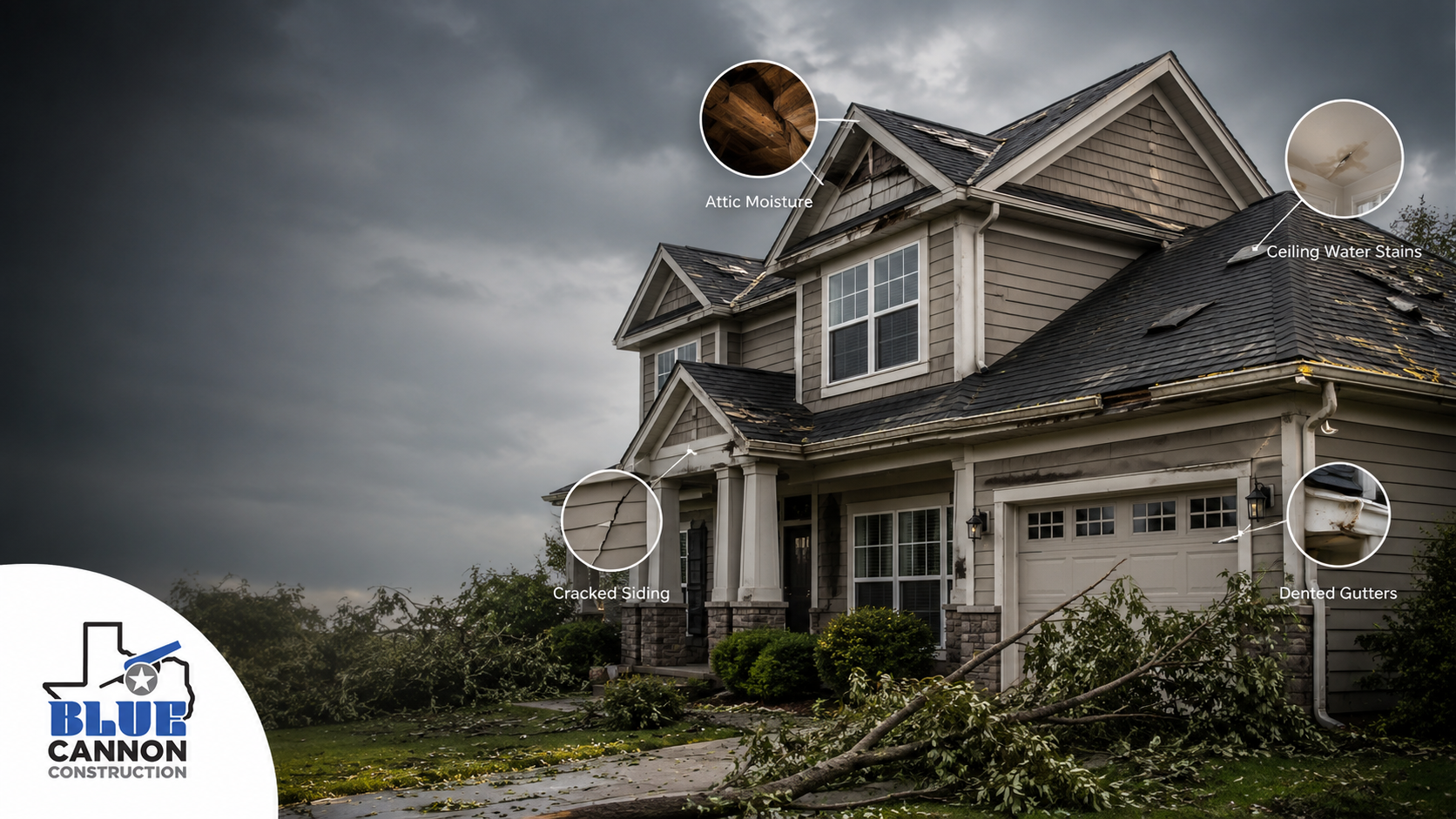
Storms can cause serious damage to a home, even when everything looks fine from the outside. Many homeowners only notice major problems after leaks appear, mold starts growing, or repair bills become expensive. The truth is that some of the most dangerous storm damage signs are easy to overlook.
Heavy rain, strong winds, hail, and falling debris can weaken different parts of your property without creating immediate visible destruction. Small cracks, loose materials, and hidden water damage may slowly get worse over time.
Understanding the warning signs early can help protect your home, save money, and prevent bigger structural problems in the future. In this guide, you will learn the most common storm damage warning signs homeowners miss and what to do when you notice them.
Why Hidden Storm Damage Is a Serious Problem
After a storm passes, many people quickly inspect their homes for obvious damage like broken windows or missing roof shingles. However, not all storm damage is visible right away.
Small issues can turn into major repairs if they are ignored. Water intrusion, roof weakness, damaged siding, and foundation problems often begin quietly. Weeks or even months later, homeowners may suddenly face expensive repairs that could have been avoided with an earlier inspection.
Even minor storms can create hidden damage that affects:
- Roofing systems
- Gutters and drainage
- Exterior siding
- Windows and doors
- Attics and ceilings
- Foundations
- Insulation
That is why every homeowner should know the warning signs that are commonly missed.
Missing or Loose Roof Shingles
One of the most overlooked signs of storm damage is loose or missing shingles. After strong winds or hailstorms, shingles may shift slightly without falling off completely.
From the ground, the roof may still look normal. However, loosened shingles can allow water to seep underneath the roofing material.
Signs to Watch For
- Uneven roof appearance
- Curled or lifted shingles
- Dark patches on the roof
- Granules collecting in gutters
- Pieces of shingles around the yard
Even a single damaged shingle can eventually lead to roof leaks and wood rot if not repaired quickly.
Granules in Gutters
Asphalt shingles are coated with protective granules that help shield your roof from weather and sunlight. During storms, hail and heavy rain can loosen these granules.
Most homeowners clean gutters without realizing the black sandy material inside may be a warning sign.
Why This Matters
When shingles lose granules, they become weaker and age faster. This increases the risk of leaks, cracks, and premature roof replacement.
If you notice excessive granules in your gutters after a storm, it may be time for a professional roof inspection.
Small Ceiling Stains
Many people ignore tiny water stains on ceilings because they seem harmless. However, small brown or yellow spots are often early indicators of roof leaks caused by storm damage.
Water can travel through roofing layers and attic spaces before finally appearing inside your home.
Common Signs
- Yellow ceiling discoloration
- Bubbling paint
- Damp drywall
- Peeling ceiling texture
These issues may seem cosmetic at first, but hidden moisture can eventually lead to mold growth and structural damage.
Dented Gutters and Downspouts
Hailstorms can leave behind dents that many homeowners dismiss as minor cosmetic damage. However, dented gutters and downspouts may no longer drain water properly.
Improper drainage can lead to:
- Water pooling near the foundation
- Basement leaks
- Soil erosion
- Roof edge damage
Inspect your gutters carefully after severe weather, especially if hail was involved.
Water Stains in the Attic
Most homeowners rarely inspect their attic after storms. Unfortunately, this is one of the first places hidden water damage appears.
A quick attic inspection can reveal early warning signs before leaks spread into living areas.
What to Look For
- Wet insulation
- Musty smells
- Dark wood stains
- Mold growth
- Damp beams
Even small amounts of moisture can create long-term problems if left untreated.
Cracked or Damaged Siding
Strong winds and flying debris can damage siding without creating obvious holes. Small cracks may allow moisture to enter behind the exterior walls.
Over time, trapped moisture can weaken insulation and encourage mold growth.
Warning Signs
- Loose siding panels
- Cracks or chips
- Warped siding
- Faded impact spots
- Moisture behind walls
Vinyl, wood, and fiber cement siding can all suffer hidden storm damage.
Higher Energy Bills
One surprising sign of storm damage is an unexpected increase in energy costs.
Storms can damage insulation, create roof ventilation problems, or allow air leaks through damaged windows and siding. These issues force heating and cooling systems to work harder.
If your utility bills suddenly rise after a storm, hidden property damage could be the cause.
Mold or Mildew Smells
A musty smell inside your home should never be ignored after severe weather.
Hidden moisture from roof leaks or wall damage often creates the perfect environment for mold and mildew growth.
Areas Where Odors Commonly Appear
- Attics
- Basements
- Closets
- Bathrooms
- Near windows
Mold can spread quickly and may affect indoor air quality and health.
Damaged Flashing Around Roof Features
Roof flashing protects vulnerable areas around chimneys, vents, and skylights. High winds and storms can loosen or bend flashing materials.
Because flashing damage is harder to notice from the ground, many homeowners miss it completely.
Possible Warning Signs
- Water near fireplaces
- Leaks around skylights
- Rusted flashing
- Visible roof gaps
Damaged flashing often leads to slow leaks that become worse over time.
Fallen Tree Branches Near the Home
Even if tree branches do not directly hit your home, they can still cause hidden structural damage.
Heavy branches scraping against roofing materials may loosen shingles, crack gutters, or damage siding.
After storms, inspect nearby trees and look for fresh scratches or impact areas around your property.
Window and Door Leaks
Storm-driven rain can expose weaknesses around windows and doors.
If seals become damaged, water may slowly enter your home during future storms.
Signs of Window or Door Damage
- Water around frames
- Soft drywall nearby
- Drafts
- Difficulty opening or closing
- Condensation between glass panes
These small issues can become expensive if moisture spreads into wall structures.
Foundation Cracks After Heavy Rain
Excessive rain can saturate the ground around your home and place pressure on the foundation.
Small cracks may appear after storms and gradually worsen over time.
Warning Signs
- New wall cracks
- Uneven floors
- Sticking doors
- Water in the basement
- Exterior foundation gaps
Foundation problems should always be inspected quickly to prevent structural issues.
Peeling Paint or Wallpaper
Moisture hidden behind walls often causes paint or wallpaper to peel.
Many homeowners assume this is simply due to age or humidity, but storm-related water intrusion may actually be responsible.
Pay close attention to peeling areas near ceilings, windows, and exterior-facing walls.
Damaged Fence or Outdoor Structures
Fences, sheds, decks, and garages can reveal clues about the strength of a storm.
If outdoor structures show signs of impact or movement, your home may also have suffered hidden damage.
Inspect for:
- Loose fence posts
- Shifted deck boards
- Bent metal fixtures
- Cracked concrete
These signs may indicate stronger storm forces than you initially realized.
Why Professional Inspections Matter
Some storm damage is impossible to detect without professional experience. Roofing systems, flashing, structural supports, and moisture penetration often require detailed inspections.
Professional contractors use specialized tools and knowledge to identify hidden issues before they become severe.
Scheduling an inspection after major storms can help:
- Prevent expensive future repairs
- Protect your home’s value
- Support insurance claims
- Improve safety
- Extend roof lifespan
Companies like Blue Cannon Construction help homeowners identify storm-related problems early and recommend the right repair solutions before damage spreads.
What To Do After a Storm
Taking quick action after severe weather can reduce repair costs and protect your property.
Step 1: Perform a Visual Inspection
Walk around your home safely and look for visible signs of damage.
Step 2: Check Interior Areas
Inspect ceilings, attic spaces, windows, and walls for water stains or moisture.
Step 3: Document Any Damage
Take clear photos of anything unusual for insurance purposes.
Step 4: Schedule a Professional Inspection
A trained contractor can identify hidden damage that homeowners often miss.
Step 5: Address Repairs Quickly
Small repairs are usually much cheaper than major restorations caused by delayed action.
How Storm Damage Gets Worse Over Time
One of the biggest mistakes homeowners make is waiting too long to investigate minor damage.
A small roof leak today can eventually lead to:
- Mold remediation
- Ceiling collapse
- Structural wood rot
- Insulation replacement
- Electrical hazards
The longer hidden damage remains untreated, the more expensive repairs become.
Final Words
Storm damage is not always obvious. Many homeowners only discover problems after leaks, mold, or structural issues appear months later. By learning the warning signs most people miss, you can protect your home and avoid costly repairs.
Pay close attention to your roof, gutters, attic, siding, windows, and foundation after severe weather. Even small signs like ceiling stains, dented gutters, or rising energy bills may point to hidden storm damage.
When in doubt, a professional inspection can provide peace of mind and help catch problems early. Staying proactive is the best way to keep your home safe, secure, and protected after any storm.