
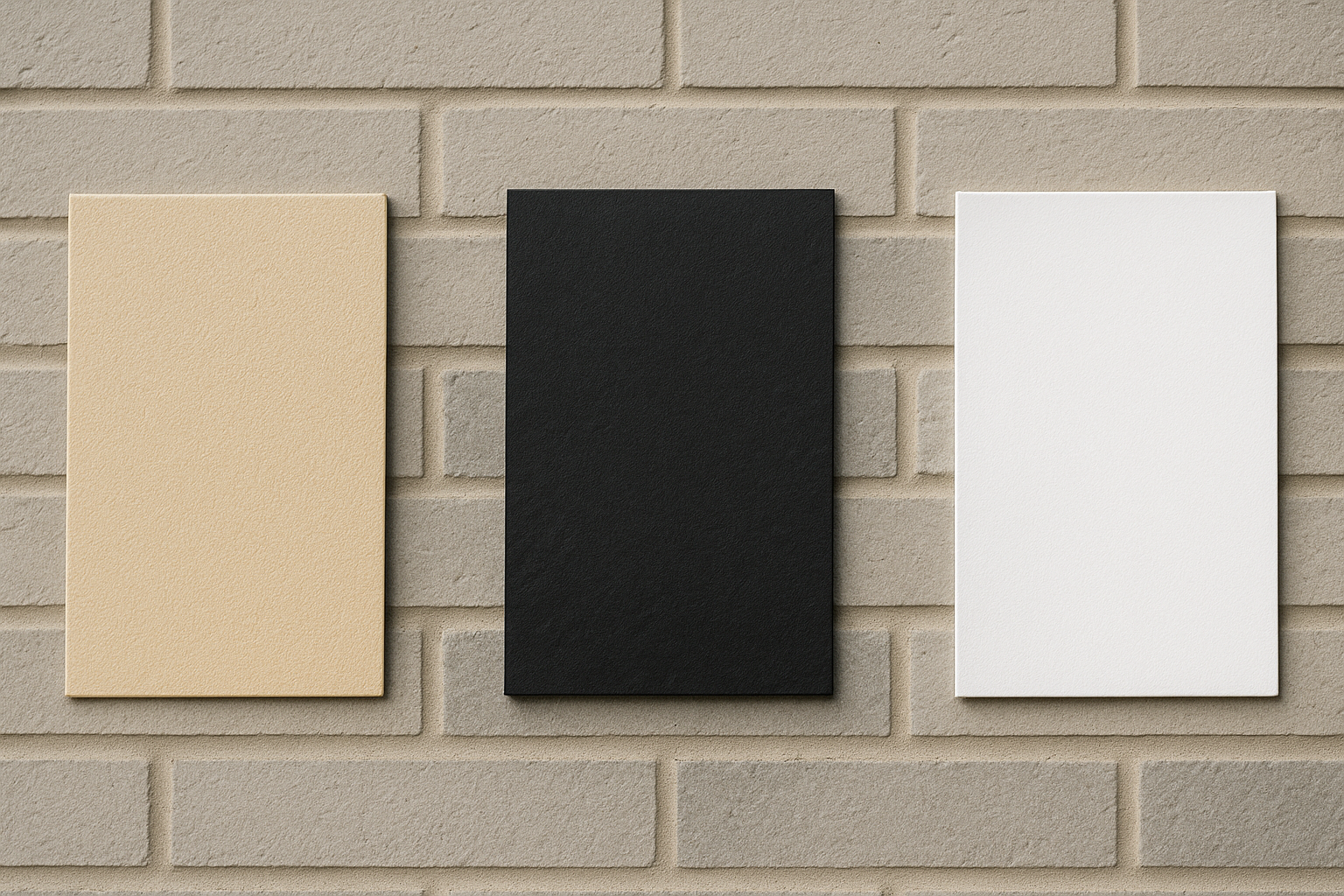
Selecting the best commercial roofing material is a critical decision that directly impacts a building’s longevity, energy efficiency, and maintenance costs. Whether you’re constructing a new building or replacing an old roof, understanding the differences between TPO, EPDM, and PVC is essential.
- TPO (Thermoplastic Olefin) is known for its cost-effectiveness and energy efficiency.
- EPDM (Ethylene Propylene Diene Monomer) is favored for its durability and long lifespan.
- PVC (Polyvinyl Chloride) is recognized for its superior chemical resistance and performance in harsh weather.
This guide will help you compare Commercial TPO roofing, Commercial EPDM roofing, and Commercial PVC roofing, allowing you to make an informed decision for your business.
Understanding Commercial Roofing Systems
A commercial roofing system differs from a residential roof in the following ways:
1. Flat vs. Sloped Design
Most commercial buildings use flat or low-slope roofs, whereas residential properties have steeper slopes.
2. Roofing Materials
Commercial roofs utilize single-ply membranes, modified bitumen, or built-up roofing systems for durability and performance.
3. Energy Efficiency & Weather Resistance
Commercial buildings prioritize insulation, UV reflectivity, and waterproofing to reduce energy costs and protect against environmental damage.
When selecting between TPO, EPDM, and PVC, it’s essential to evaluate cost, durability, and energy efficiency based on your business’s location and needs.
What is TPO Roofing?
Thermoplastic Olefin (TPO) is a single-ply roofing membrane made of polypropylene and ethylene-propylene rubber. It has gained popularity due to its affordability and reflective properties.
✅ Benefits of TPO Roofing:
✔ Energy-efficient: White surface reflects sunlight, reducing cooling costs.
✔ Cost-effective: More affordable than PVC while offering similar benefits.
✔ Resistant to mold, punctures, and debris buildup.
❌ Drawbacks of TPO Roofing:
✘ Quality varies: Some manufacturers produce lower-grade TPO that deteriorates faster.
✘ Welded seams require skilled installation to prevent leaks.
TPO is an ideal option for budget-conscious businesses looking for an energy-efficient commercial roofing solution.
What is EPDM Roofing?
Ethylene Propylene Diene Monomer (EPDM) is a synthetic rubber roofing membrane known for its durability and long lifespan. It is particularly popular in regions with extreme weather conditions.
✅ Benefits of EPDM Roofing:
✔ Longest lifespan: Can last 30-40 years with proper maintenance.
✔ Highly flexible: Performs well in fluctuating temperatures.
✔ Easier installation & repairs compared to TPO and PVC.
❌ Drawbacks of EPDM Roofing:
✘ Absorbs heat: The black surface retains heat, increasing cooling costs (unless coated).
✘ More susceptible to punctures than TPO or PVC.
EPDM is a great choice for businesses prioritizing durability over energy efficiency.
What is PVC Roofing?
Polyvinyl Chloride (PVC) roofing is a high-performance single-ply membrane with strong chemical and fire resistance properties. It is often used in industrial and restaurant settings due to its ability to withstand grease, chemicals, and extreme weather.
✅ Benefits of PVC Roofing:
✔ Superior durability: Heat-welded seams create a watertight bond.
✔ Highly energy-efficient: White or light-colored options reflect UV rays.
✔ Resistant to harsh chemicals and fire, making it ideal for industrial buildings.
❌ Drawbacks of PVC Roofing:
✘ Higher initial cost than TPO and EPDM.
✘ Can become brittle in extremely cold climates over time.
PVC is a top-tier commercial roofing choice for businesses needing maximum durability, chemical resistance, and energy efficiency.
TPO vs. EPDM vs. PVC: Key Differences
| Feature | TPO Roofing | EPDM Roofing | PVC Roofing |
|---|---|---|---|
| Durability | Medium | High | High |
| Lifespan | 20-30 years | 30-40 years | 25-35 years |
| Cost | Low-Medium | Low | High |
| Energy Efficiency | High (Reflective) | Low (Unless Coated) | High (Reflective) |
| Chemical Resistance | Moderate | Low | High |
| Installation Complexity | Moderate | Easy | Complex |
Each material serves a specific purpose based on climate, budget, and durability requirements.
Best Uses for TPO, EPDM, and PVC Roofing
- TPO Roofing → Ideal for businesses seeking energy efficiency at a lower cost.
- EPDM Roofing → Best for long-term durability and minimal maintenance.
- PVC Roofing → Perfect for industrial settings needing chemical resistance and strength.
Why Choose Blue Cannon Construction for Your Commercial Roofing Needs?
At Blue Cannon Construction, we provide top-tier commercial roofing services, ensuring you get the best material for your building’s needs.
Why Work with Us?
✔ Expertise in TPO, EPDM, and PVC installations
✔ High-quality materials from trusted manufacturers
✔ Custom roofing solutions tailored to your budget
✔ Licensed and insured commercial roofing professionals
👉 Get a free consultation today and upgrade your commercial roofing system with confidence!
Frequently Asked Questions (FAQs)
Which commercial roofing material lasts the longest?
EPDM has the longest lifespan, lasting 30-40 years, while PVC and TPO typically last 20-35 years.
Which roofing material is best for hot climates?
TPO and PVC are the best choices due to their reflective surfaces, which reduce cooling costs.
What’s the most affordable commercial roofing option?
EPDM is generally the most affordable upfront, but TPO provides better energy savings in the long run.
Is PVC roofing worth the higher cost?
Yes! PVC offers superior durability, energy efficiency, and chemical resistance, making it a great investment for industrial properties.
Conclusion: Which Roofing Material Should You Choose?
The best commercial roofing material depends on your budget, climate, and specific business needs:
- TPO → Best for energy efficiency and cost-effectiveness
- EPDM → Ideal for long-term durability and minimal maintenance
- PVC → Perfect for industrial settings requiring chemical resistance
For expert commercial roofing solutions, trust Blue Cannon Construction to deliver high-quality installations with long-term value. Contact us today for a free estimate!