
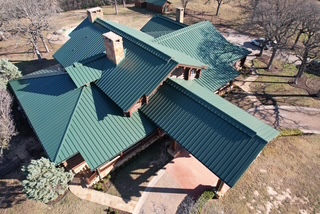
A roof is one of the most critical parts of your home’s structure. Knowing how long a residential roof lasts helps you plan maintenance, budget for repairs, and protect your investment. Roof longevity impacts your home’s safety, comfort, and value. For expert roofing solutions and professional guidance, Blue Cannon Construction offers trusted residential roofing services tailored to your needs.
This article dives deep into what determines a roof’s life expectancy and how you can extend it.
Typical Lifespans of Common Residential Roofing Materials
Asphalt Shingles
The most popular roofing material in the U.S., asphalt shingles typically last 15 to 30 years. Standard 3-tab shingles tend to be on the lower end of that range, while architectural or laminated shingles can last longer due to their enhanced durability.
Metal Roofing
Metal roofs, including steel, aluminum, and copper, offer impressive longevity. Steel and aluminum usually last 40 to 70 years, while copper can exceed 100 years with proper care. Metal’s resistance to extreme weather makes it a durable option.
Tile Roofing
Clay and concrete tiles are heavy but long-lasting. Clay tiles often last 50 to 100 years, and concrete tiles have similar durability. Their resilience against fire and rot makes them a premium choice for longevity.
Wood Shakes and Shingles
Wood roofing generally lasts 20 to 40 years. Its lifespan depends heavily on maintenance and local climate conditions. Regular sealing and inspections can extend its life, but wood is vulnerable to moisture and pests.
Slate Roofing
Slate roofs are known for extreme longevity, often lasting 75 to over 100 years. Natural stone provides superior durability but comes with a higher upfront cost and weight considerations.
Synthetic Roofing Materials
Modern synthetic roofs, made from rubber, plastic, or polymer blends, can last 30 to 50 years. They often mimic the look of traditional materials but offer increased resistance to weathering.
Key Factors That Influence Roof Longevity
Your roof’s lifespan is shaped by more than just its material. Several external and internal factors can significantly impact performance over time.
- Climate and Weather: Areas with frequent storms, heavy snowfall, high heat, or strong UV rays see faster roof deterioration. Constant freeze-thaw cycles cause cracks; intense sun breaks down materials.
- Installation Quality: Even the best materials fail with poor installation. Proper nailing, sealing, and ventilation are critical to durability.
- Roof Pitch and Ventilation: Steeper roofs shed water and debris better. Good attic ventilation prevents moisture buildup, which can rot decking and degrade insulation.
- Maintenance Practices: Regular cleaning of gutters, debris removal, and timely repairs reduce premature wear.
- Surrounding Environment: Trees dropping branches or leaves, animals, and pollution can physically or chemically harm roofing materials.
Signs Your Roof May Need Repair or Replacement
Spotting early damage can save you thousands.
- Missing, cracked, or curling shingles
- Granule loss on asphalt shingles (look for bald patches)
- Rust or corrosion on metal roofs
- Discolored or sagging tiles
- Water stains or leaks inside the home
- Excessive moss or algae growth
If you notice any of these signs, schedule a professional roof inspection promptly to assess the damage. To ensure quality repairs or replacements, rely on professional residential roofing services.
How to Extend Your Roof’s Lifespan
Extending your roof’s life requires proactive care.
- Routine Maintenance: Clean gutters regularly to prevent water backup. Remove branches and debris.
- Timely Repairs: Fix minor leaks and damaged shingles immediately to prevent larger issues.
- Improved Ventilation: Ensure attic vents are clear and balanced to reduce moisture.
- Protective Coatings: Applying roof sealants or coatings can add a weather-resistant barrier.
- Smart Material Choices: When replacing, choose materials that best suit your climate and budget.
Cost vs. Longevity: What’s the Best Investment?
More expensive roofing materials often come with longer lifespans and better performance. However, the best investment depends on your budget and goals.
- Asphalt shingles are affordable but require earlier replacement.
- Metal roofs have higher upfront costs but can last twice as long.
- Tile and slate are premium options with exceptional longevity but need stronger roof framing.
Consider the total cost of ownership — initial installation, maintenance, energy savings, and replacement frequency — to choose wisely.
When to Consider Roof Replacement Over Repair
Knowing when to replace your roof is vital.
- If your roof is nearing or beyond its expected lifespan.
- Widespread damage such as multiple leaks or extensive shingle loss.
- Roof decking is compromised due to rot or moisture.
- You want to upgrade to energy-efficient or more durable materials.
Replacing your roof can improve home energy efficiency, curb appeal, and even lower insurance premiums.
Warranty and Manufacturer Guarantees
Most roofing materials come with warranties, but coverage varies.
- Warranties can range from 20 years to a lifetime, depending on the product.
- Understand what’s covered: materials only or labor as well.
- Keep documentation and maintenance records to support claims.
A solid warranty gives peace of mind and reflects product confidence.
Environmental and Energy Efficiency Considerations
An aging roof can lose its insulating properties, causing higher energy bills.
- Modern roofing materials often include reflective coatings that reduce heat absorption.
- Proper insulation and ventilation under your roof improve HVAC efficiency.
- Energy-efficient roofs contribute to sustainability and may qualify for tax credits or rebates.
Upgrading your roof can therefore yield both comfort and savings.
Conclusion
A residential roof’s lifespan depends on material choice, climate, installation, and maintenance. Asphalt shingles last 15-30 years, while metal, tile, and slate offer several decades or more.
Early detection of issues and regular upkeep are essential to maximizing roof life. When repairs no longer suffice, replacement is a smart investment for your home’s protection and value.
Consult with roofing professionals to evaluate your roof’s condition and discuss options tailored to your home and budget.
For trusted expertise and quality workmanship, visit Blue Cannon Construction residential roofing services today.